
After the Fire
Today marks ten years since the Horse River Fire began in Fort McMurray. In a single afternoon, more than 90,000 people evacuated. Nearly 3,000 homes were lost.

No longer immediate, it is now something remembered.
What was once urgent and life-threatening is less visible.
It is harder to speak about.
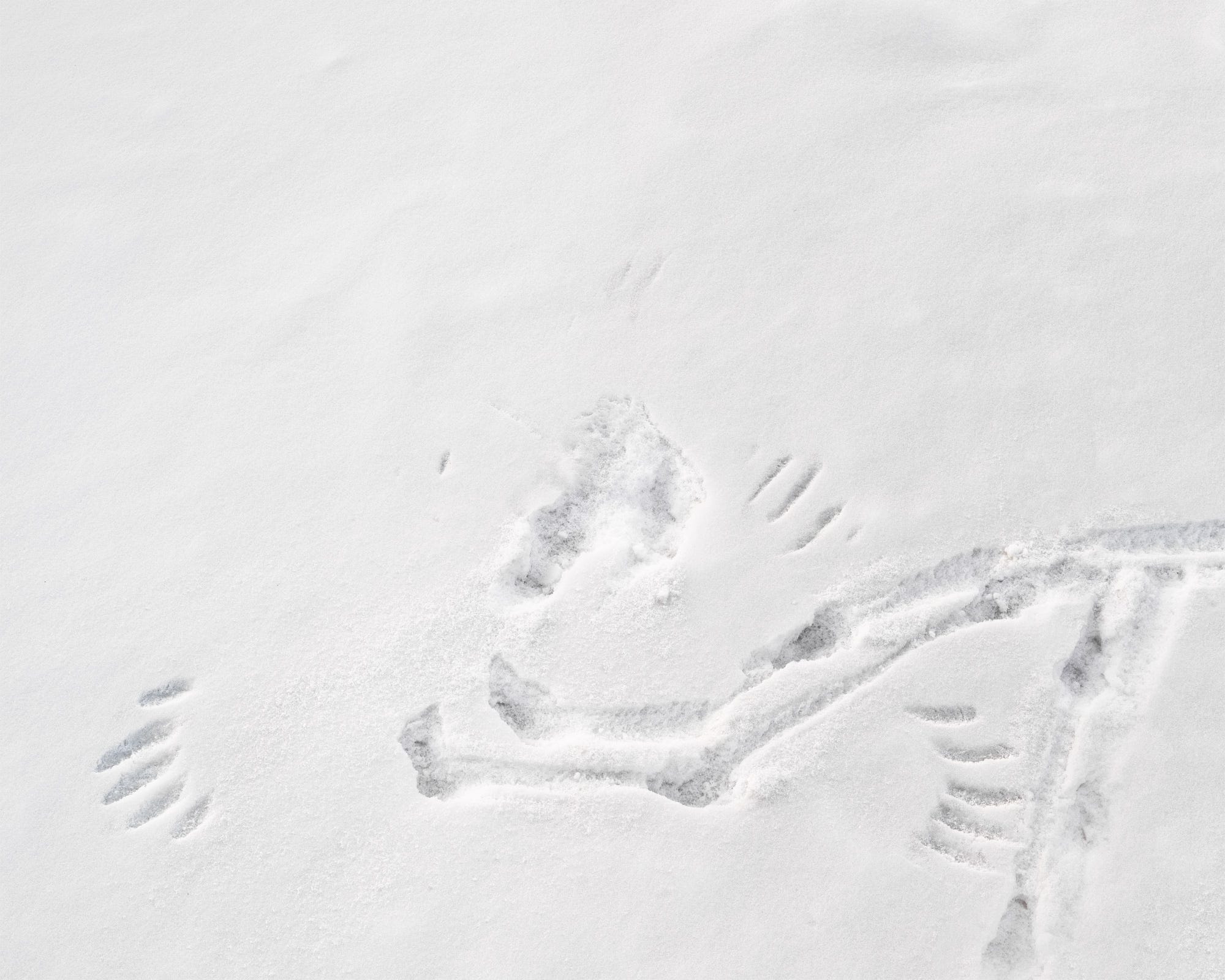
Ten years have passed.
The change remains.
It is present in the land and in the people who continue to live there.
It is carried in how Fort McMurray / ᓂᐢᑕᐋᐧᔮᐤ / Nistawâyâw / Ełídlį Kuę́ is lived with, and how the past is remembered.
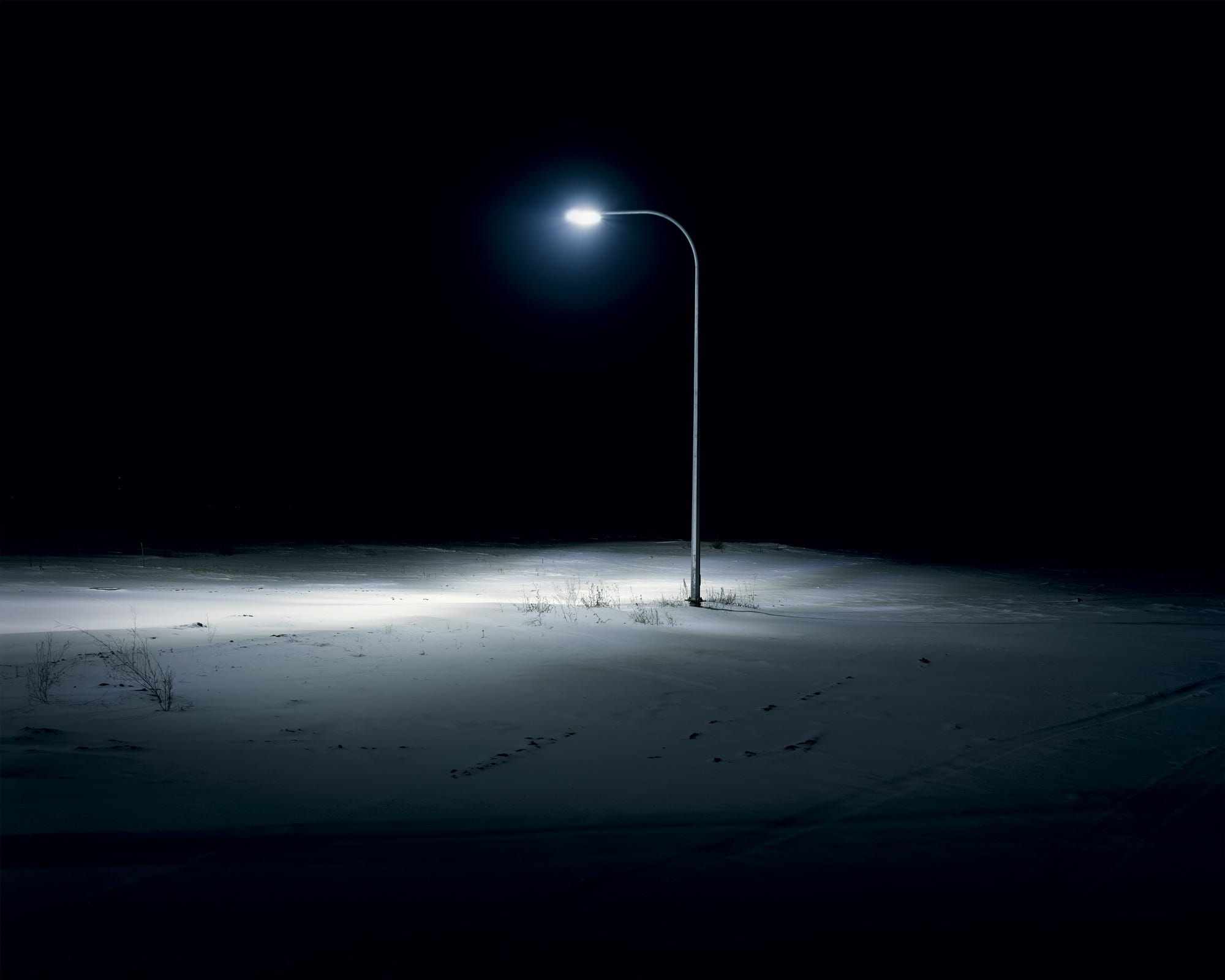
What remains after the fire?
There is damage.
There is also continuation.
Transformation is inevitable, with fire, it comes with violence.
Memory is often understood through trauma.
But it is also held in response.
In care.
In mutual support.
In the ways a community comes together.
You do not realise how much you rely on small acts of kindness
until they are needed by everyone at once.
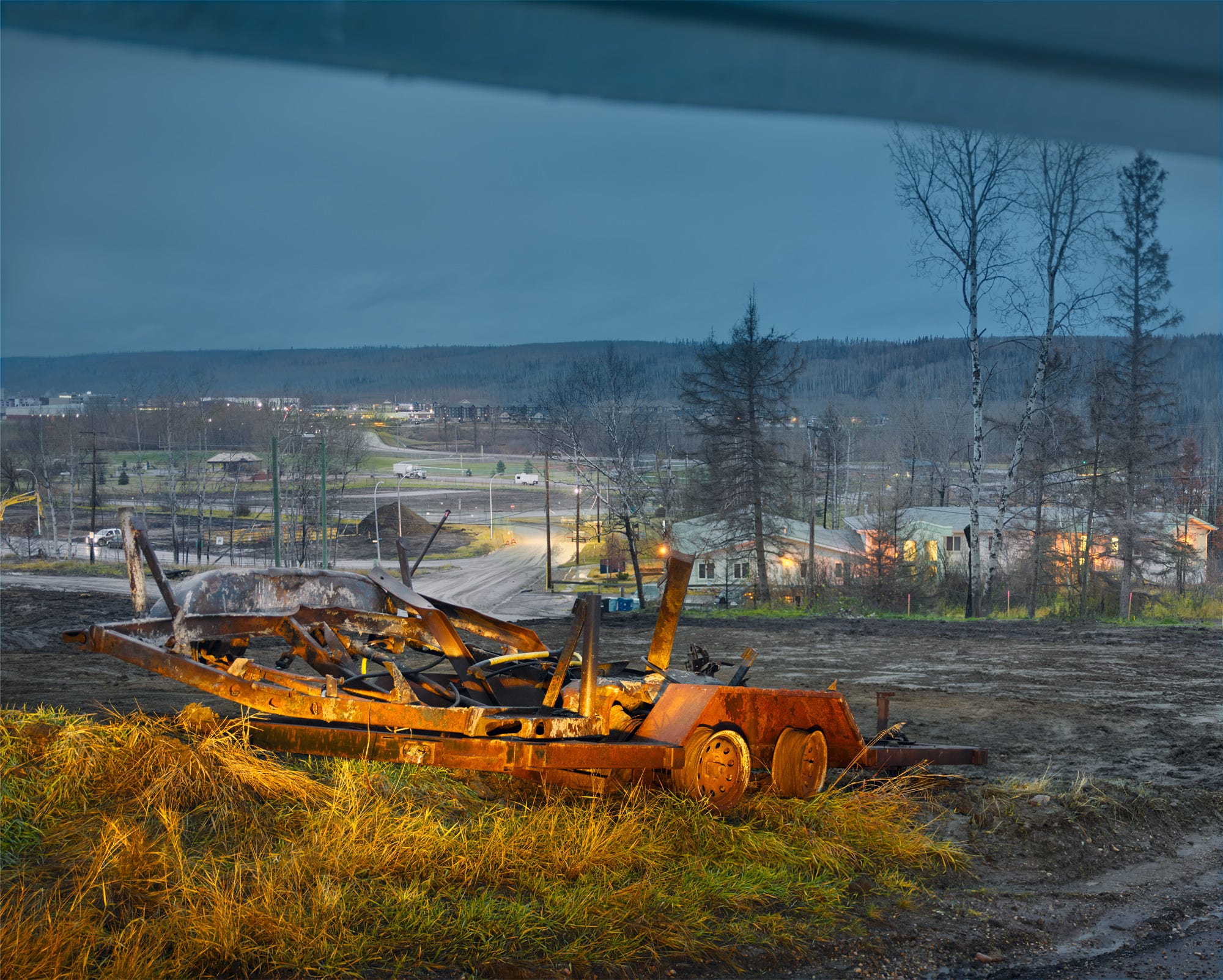
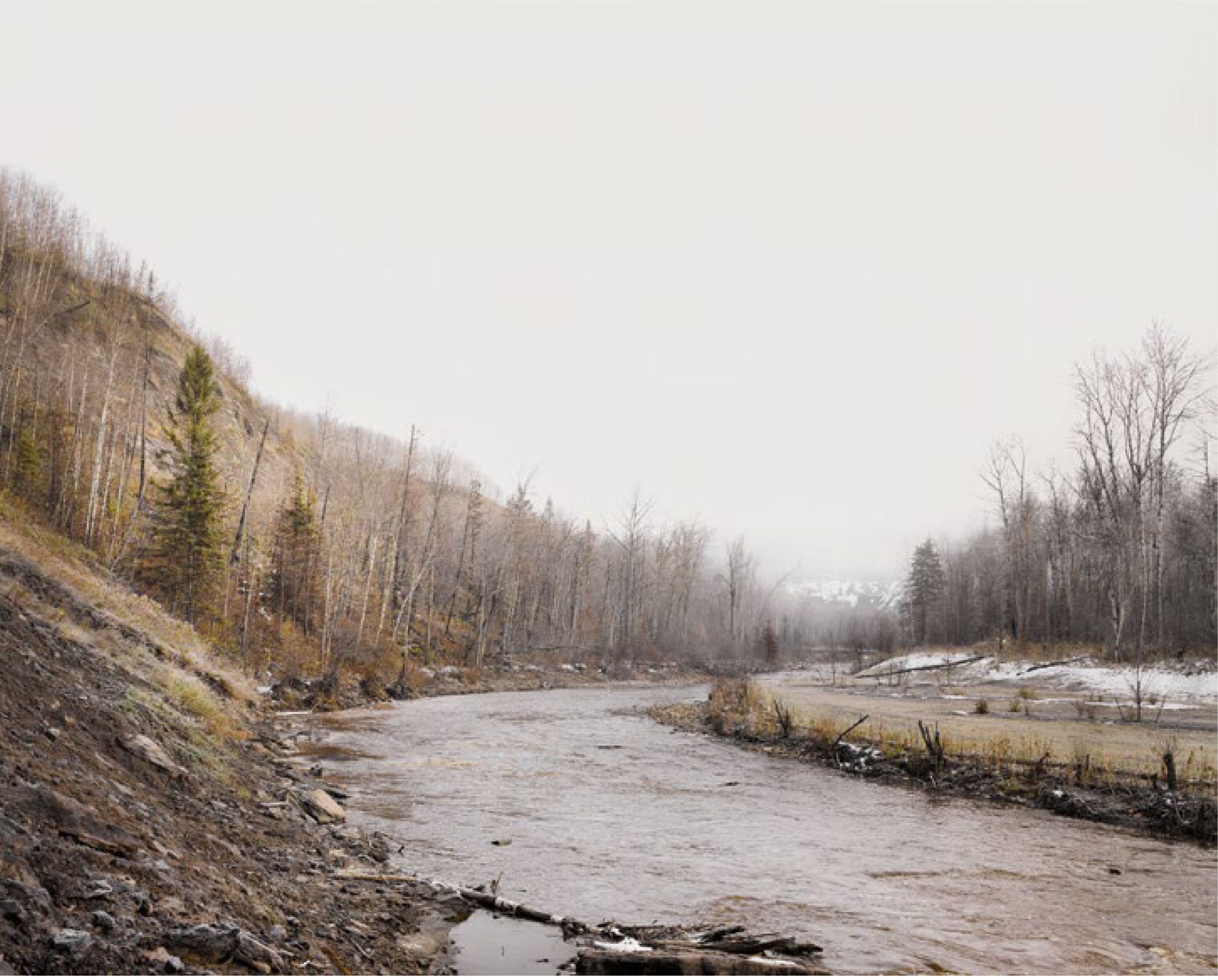
To make photographs in this place is not neutral.
It requires attention.
It requires restraint.
The question is not how to show what happened.
It is how to show what remains without exaggeration.
The Regional Municipality of Wood Buffalo is hosting the Horse River Wildfire commemoration and reflection event on May 3, from 11 AM to 4 PM at Doug Barnes Cabin.
Visitors are invited to attend the gathering and, from May 4 to May 22, to view the exhibition at the Jubilee Building.
The photographs and the books On The Line and Fire North: Book One, made between October 2016 and February 2017, have been selected as part of this commemoration.